Seasonal Guides
The Seasonal Fruit Calendar: What to Eat Each Month
A month-by-month guide to fruit at its peak in the Northern Hemisphere, with tips for buying in season.
Claire Moreau · August 28, 2026 · 9 min read
Seasonal Guides
Discover the best citrus varieties of the cold season, how to pick juicy fruit, how to store it, and easy ways to use every part.
By Claire Moreau, Registered Dietitian & Senior Food Researcher · Updated September 28, 2026 · 9 min read · Fact-checked
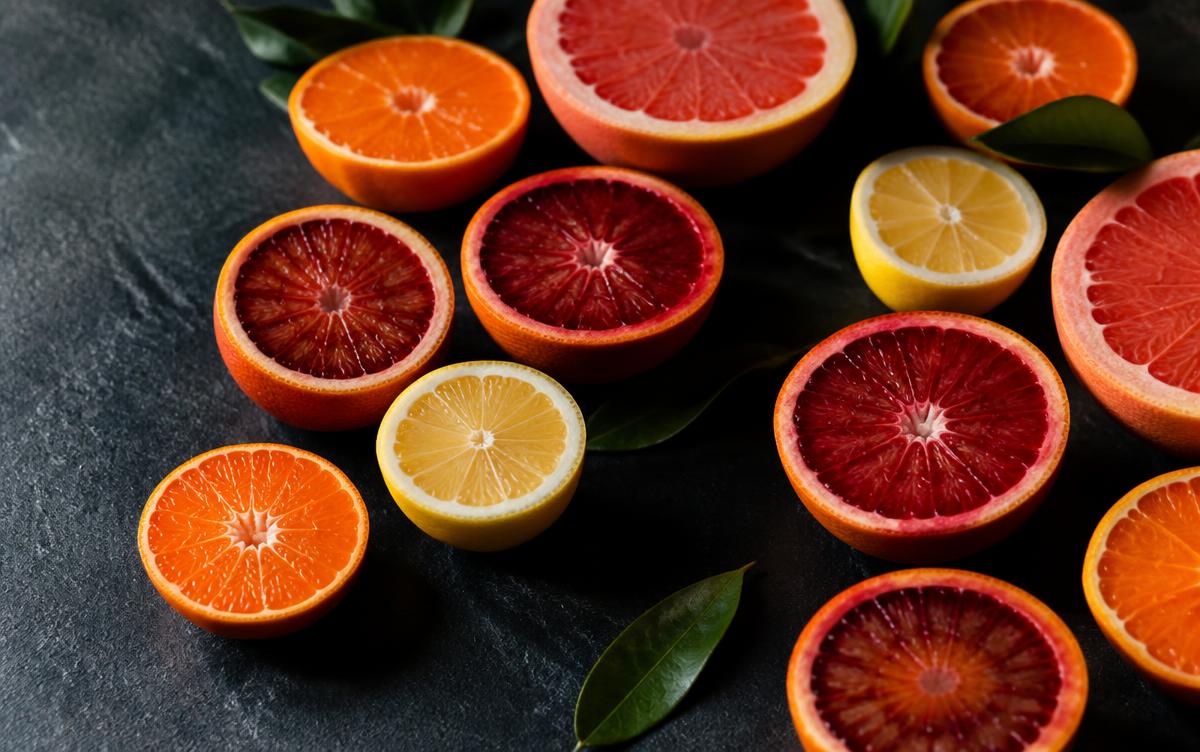
When summer fruit disappears, citrus takes over. From late autumn to early spring, oranges, mandarins, lemons and grapefruit reach their best flavor in the Northern Hemisphere, bringing color and vitamin C to the darkest months of the year. This guide covers the main types worth looking for, how to tell a juicy fruit from a dry one, and how to use citrus from peel to pith.
Citrus trees flower in spring, and their fruit takes many months to mature. Cool nights in autumn and winter help develop the fruit's color and balance of sugar and acid. Unlike many fruits, citrus does not continue to ripen after picking, so it is harvested when fully ready — which is why seasonal citrus tastes so much better than fruit picked early for long-distance shipping.
Availability depends on where you live, but these are the most widely sold winter citrus:
The best indicator is weight. A citrus fruit that feels heavy for its size is full of juice. The skin should be firm and smooth or finely pebbled, without soft spots, mold or wrinkling near the stem.
Color is less reliable than you might think. Some perfectly ripe oranges have green patches, especially in warmer growing regions, because chlorophyll can return to the peel in warm weather. Conversely, some fruit is treated to look bright orange. Trust weight and firmness over color.
For mandarins and clementines, a slightly loose skin is normal, but very puffy skin that separates widely from the flesh often signals dry, past-its-best fruit.
Citrus keeps for about a week at room temperature and three to four weeks in the refrigerator's crisper drawer. Store it loose or in a mesh bag rather than sealed plastic, which traps moisture and encourages mold. Check your stock regularly: one moldy orange can quickly spread spores to its neighbors.
Let fruit come to room temperature before juicing; warm citrus releases more juice. Rolling a lemon firmly on the worktop before cutting also helps.
Citrus is best known for vitamin C — one medium orange supplies roughly 70 mg, close to the full daily requirement for most adults. Citrus also provides fiber (mostly in the pith and membranes), folate, potassium and flavonoids such as hesperidin. Eating segments rather than drinking juice keeps more of that fiber.
One important caution: grapefruit and some related fruits like Seville oranges and pomelos can interact with many common medications, including certain statins and blood pressure drugs. If you take regular medication, check the leaflet or ask your pharmacist before eating grapefruit regularly.
Citrus is one of the easiest fruits to use without waste:
A winter citrus salad of sliced oranges, blood oranges and grapefruit with a little olive oil, salt and fresh mint makes a bright starter or dessert. Roasting citrus slices alongside chicken or fish adds a gentle sweetness. For breakfast, try clementine segments with yogurt and a sprinkle of toasted nuts.
No. Juice provides vitamin C but loses most of the fiber, and it is easy to drink the sugar of several oranges at once. Whole fruit is the better everyday choice.
In warm climates chlorophyll can return to the peel of fully ripe fruit. A green tint does not necessarily mean the fruit is unripe.
Whole segments become mushy, but juice and zest freeze very well for months.
Lemons and limes contain very little sugar, followed by grapefruit. Mandarins and navel oranges are the sweetest.
This article is for general information only and isn't a substitute for professional medical advice. See our disclaimer.
Seasonal Guides
A month-by-month guide to fruit at its peak in the Northern Hemisphere, with tips for buying in season.
Claire Moreau · August 28, 2026 · 9 min read
Storage & Ripening
Learn how to freeze berries, bananas, mangoes, stone fruit and more without clumps or freezer burn — plus how long frozen fruit keeps.
Claire Moreau · October 5, 2026 · 9 min read