Buying Guides
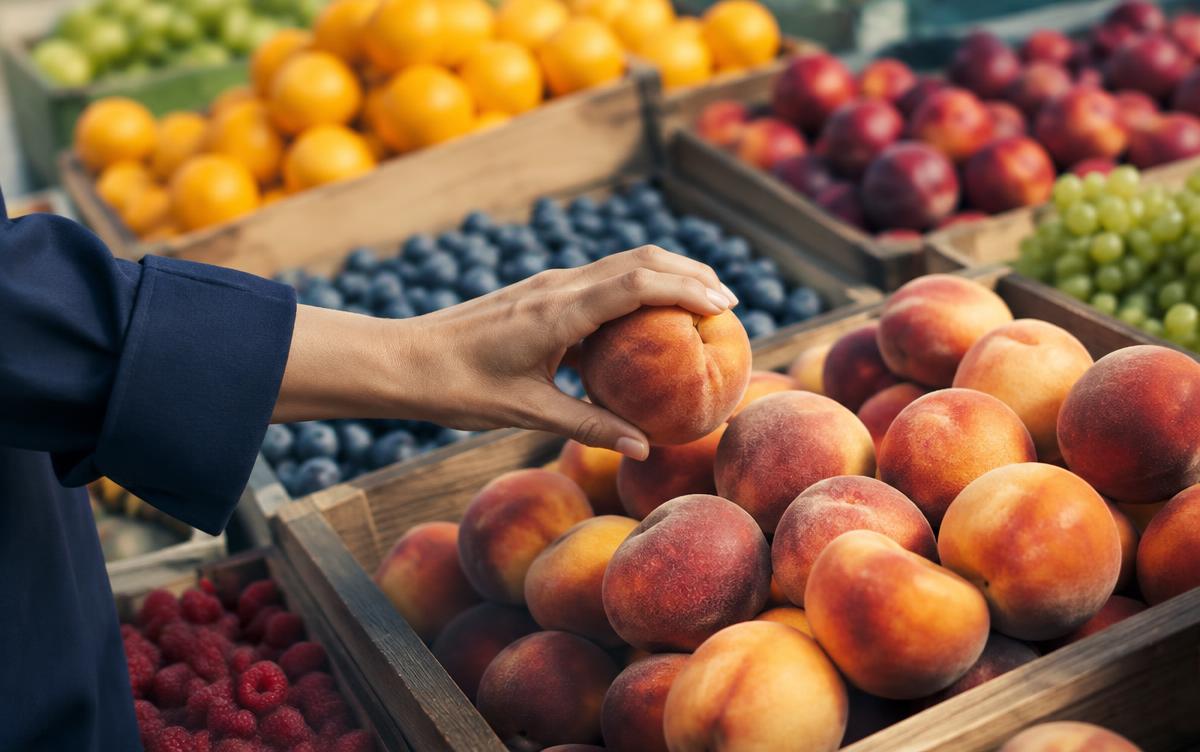
How to Choose Ripe Fruit at the Store: A Fruit-by-Fruit Guide
Look, smell and touch tests for picking ripe melons, avocados, pineapples, berries and more.
Claire Moreau · September 25, 2026 · 8 min read
Buying Guides
A balanced look at pesticides, nutrition, cost and environmental impact when choosing organic fruit.
By Claire Moreau, Registered Dietitian & Senior Food Researcher · Updated August 5, 2026 · 7 min read · Fact-checked
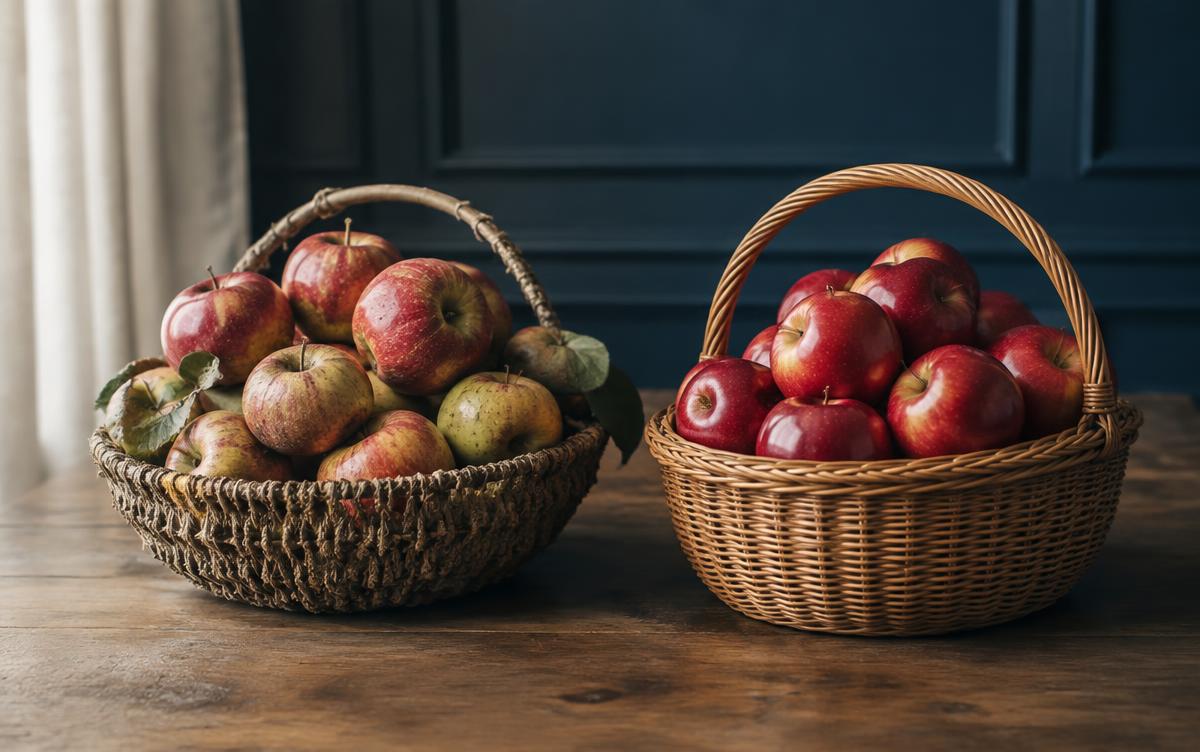
The organic label raises genuine questions about health, budget and the environment. Here's a balanced summary to help you decide what's right for your household.
Reviews comparing organic and conventional fruit have found small differences in some compounds, but no consistent, meaningful difference in overall nutritional value. Eating more fruit of either kind matters far more.
Organic fruit generally carries lower synthetic pesticide residues. Conventional produce sold in regulated markets is tested against safety limits, and residues are usually well below them. Washing under running water removes some surface residue.
If budget is a concern, some shoppers choose organic for thin-skinned fruit they eat whole, like berries, and conventional for fruit they peel, like bananas, citrus and mangoes.
Both organic and conventional fruit can be part of a healthy diet. Choose what you can afford and will actually eat.
Yes. All fruit should be rinsed under running water before eating.
This article is for general information only and isn't a substitute for professional medical advice. See our disclaimer.
Buying Guides
Look, smell and touch tests for picking ripe melons, avocados, pineapples, berries and more.
Claire Moreau · September 25, 2026 · 8 min read
Fruit Nutrition
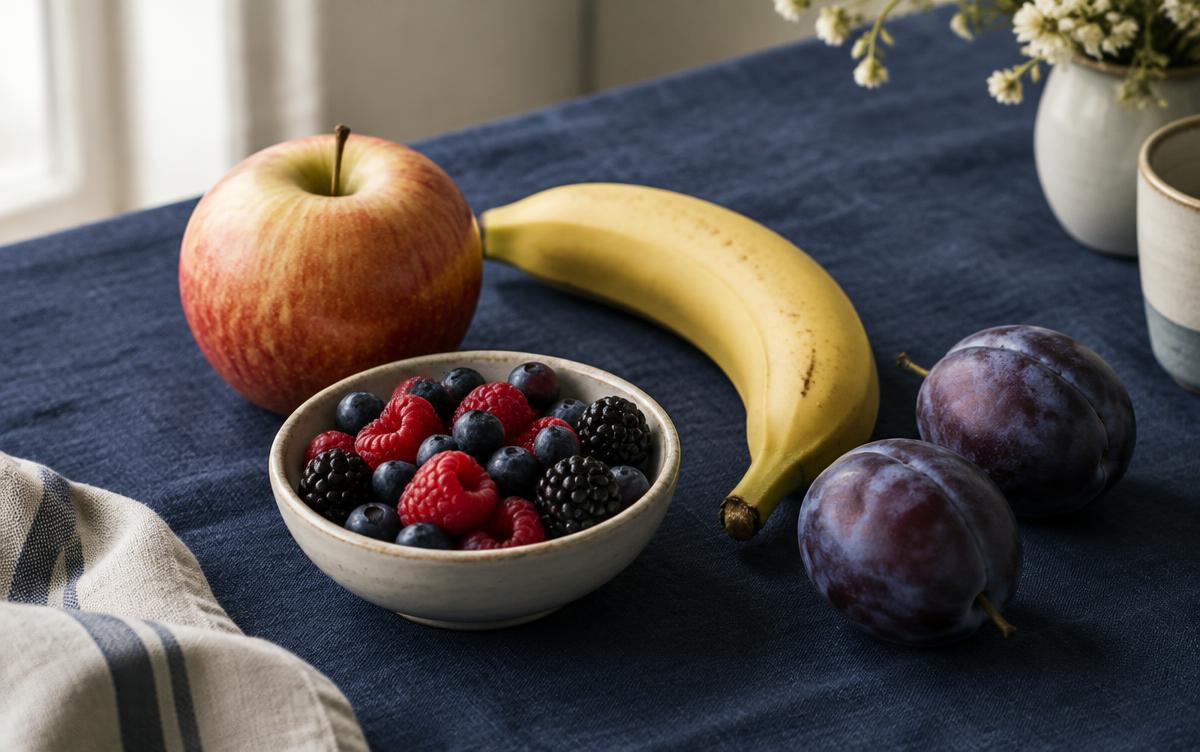
Daily fruit recommendations explained: portion sizes, whole fruit vs juice, and simple ways to reach your target.
Claire Moreau · September 12, 2026 · 8 min read