Fruit Nutrition
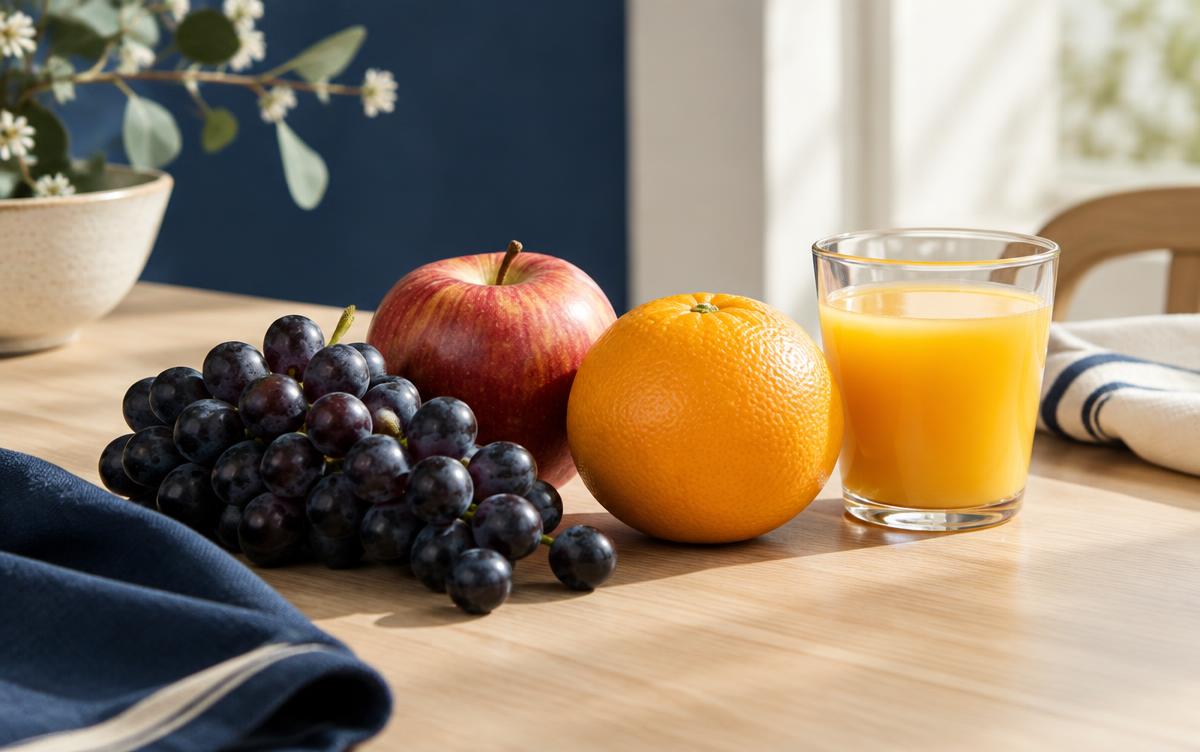
Fruit Sugar Explained: Should You Worry About Fructose?
A clear look at natural sugars in fruit, how fiber changes their effect, and which fruits are lower in sugar.
Claire Moreau · September 2, 2026 · 7 min read
Fruit Nutrition
Daily fruit recommendations explained: portion sizes, whole fruit vs juice, and simple ways to reach your target.
By Claire Moreau, Registered Dietitian & Senior Food Researcher · Updated September 12, 2026 · 8 min read · Fact-checked
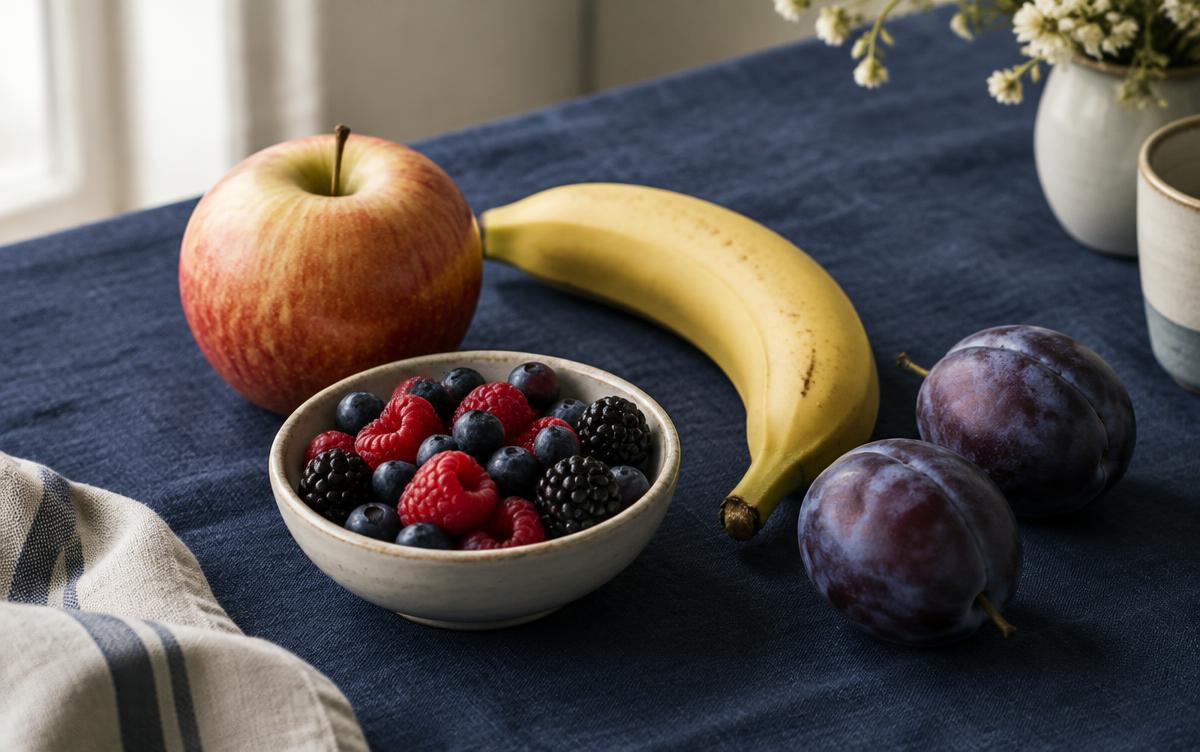
Most dietary guidelines agree that fruit belongs in a healthy diet — yet many adults eat less than half of what is recommended. Here is what the guidance actually says, what counts as a portion, and how to close the gap without overthinking it.
Public health bodies frame fruit intake in slightly different ways. The U.S. Dietary Guidelines suggest about 1.5 to 2 cups of fruit per day for most adults, while the UK's '5 A Day' message combines fruit and vegetables into at least five 80-gram portions. The World Health Organization recommends at least 400 grams of fruit and vegetables daily.
The common thread is simple: fruit should appear every day, in more than one meal, and in a variety of colors and types.
Portions are easier to picture than grams. As a practical rule, one portion is roughly:
Whole fruit keeps its fiber, which slows the absorption of natural sugars and helps you feel full. Juicing removes most of that fiber and makes it easy to consume the sugar of several pieces of fruit in a few sips.
That is why most guidelines cap juice at one small glass a day and encourage whole or cut fruit for the rest of your intake. Smoothies sit in between: they keep the fiber but are still easy to over-pour.
Small habits beat big resolutions. Try anchoring fruit to meals you already eat:
People managing diabetes, kidney disease or specific digestive conditions may need tailored guidance on fruit type and timing. Fruit is still usually encouraged, but portion size and pairing matter more. If that applies to you, speak to your doctor or a registered dietitian.
For most healthy people, it is difficult to overeat whole fruit because of its fiber and water content. Very large amounts of juice or dried fruit are easier to overdo.
Yes. Frozen fruit and fruit canned in juice or water count toward your daily intake and are often just as nutritious as fresh.
Yes, but portions are small — about 30 g — because the water has been removed and sugars are concentrated.
This article is for general information only and isn't a substitute for professional medical advice. See our disclaimer.
Fruit Nutrition
A clear look at natural sugars in fruit, how fiber changes their effect, and which fruits are lower in sugar.
Claire Moreau · September 2, 2026 · 7 min read
Buying Guides
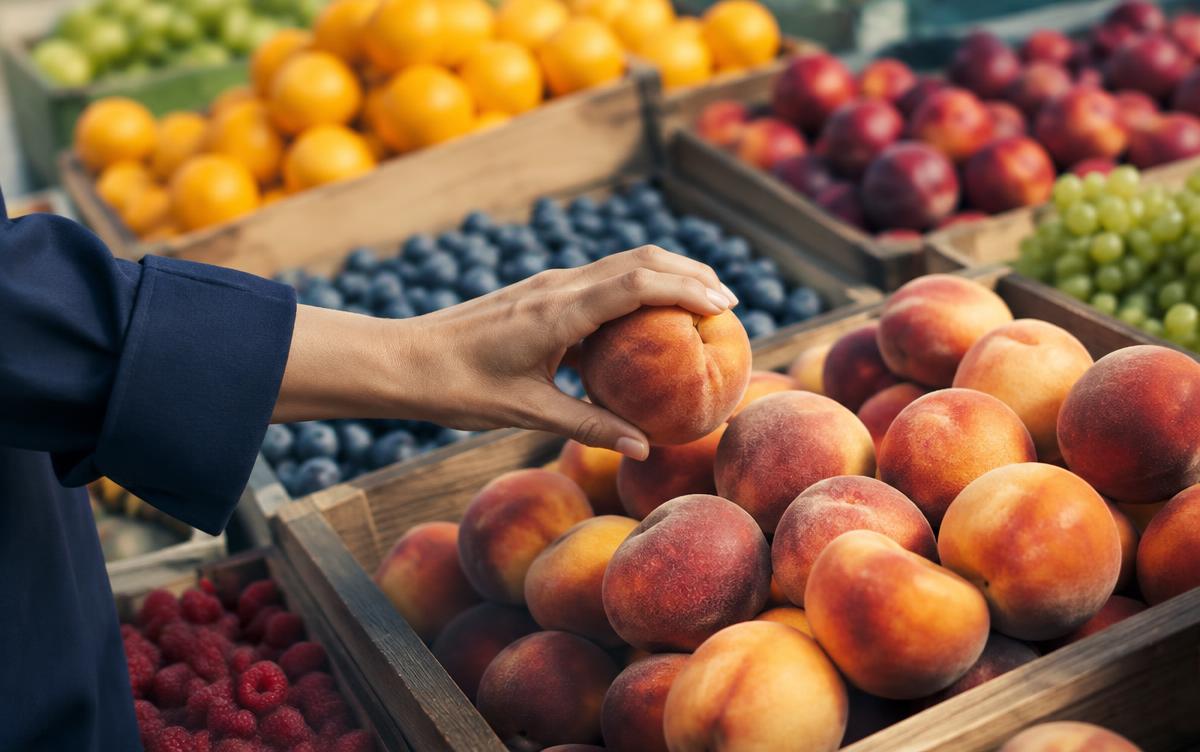
Look, smell and touch tests for picking ripe melons, avocados, pineapples, berries and more.
Claire Moreau · September 25, 2026 · 8 min read