Navel, Valencia, blood and more — which oranges to eat, which to juice, how to choose them, and why whole fruit beats juice for nutrition.
The orange is the world's most popular citrus fruit, and the gap between a great orange and a disappointing one is enormous. A heavy, thin-skinned Valencia in season is a different creature from a puffy, dry fruit that has sat in storage for months. This guide covers the main varieties, how to pick well, how to juice efficiently, and how to use the parts most people throw away.
The main varieties
Four families cover most of what you will see in shops:
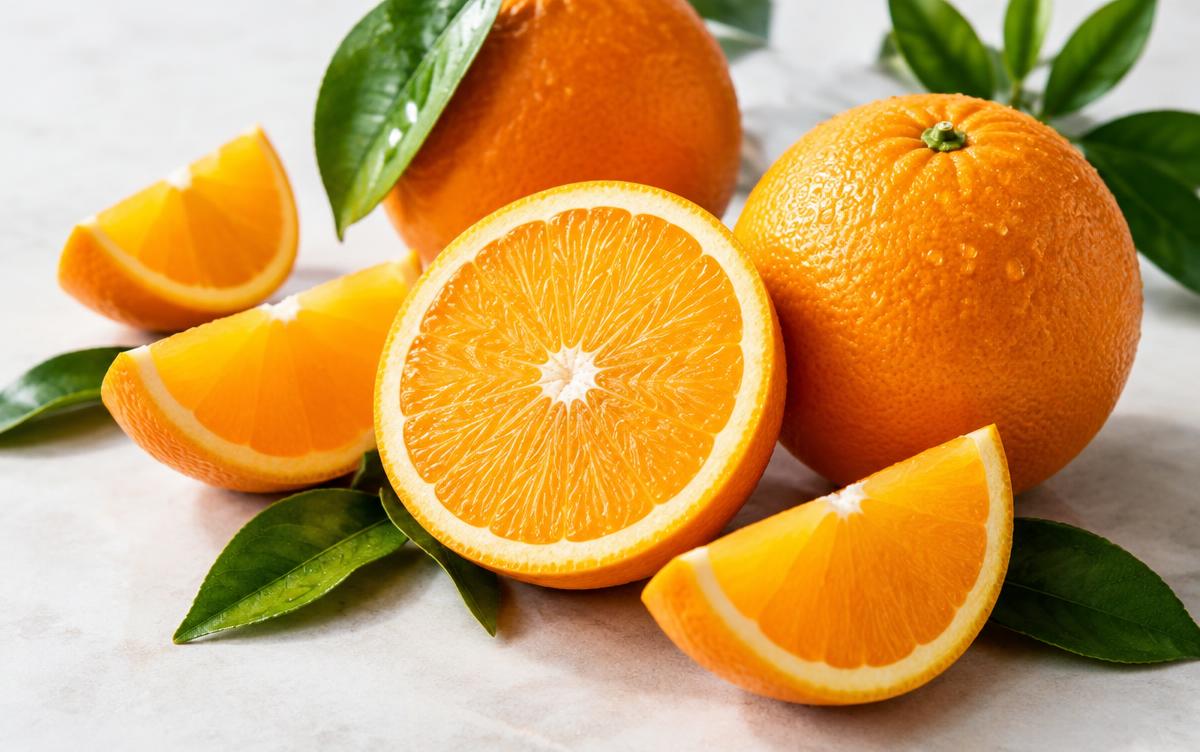
- Navel: seedless, easy to peel, sweet with low acidity. The best eating orange, in season from late autumn through spring. Its juice turns bitter quickly, so do not juice navels in advance.
- Valencia: thin-skinned, very juicy, balanced sweet-tart. The classic juicing orange, peaking in late spring and summer.
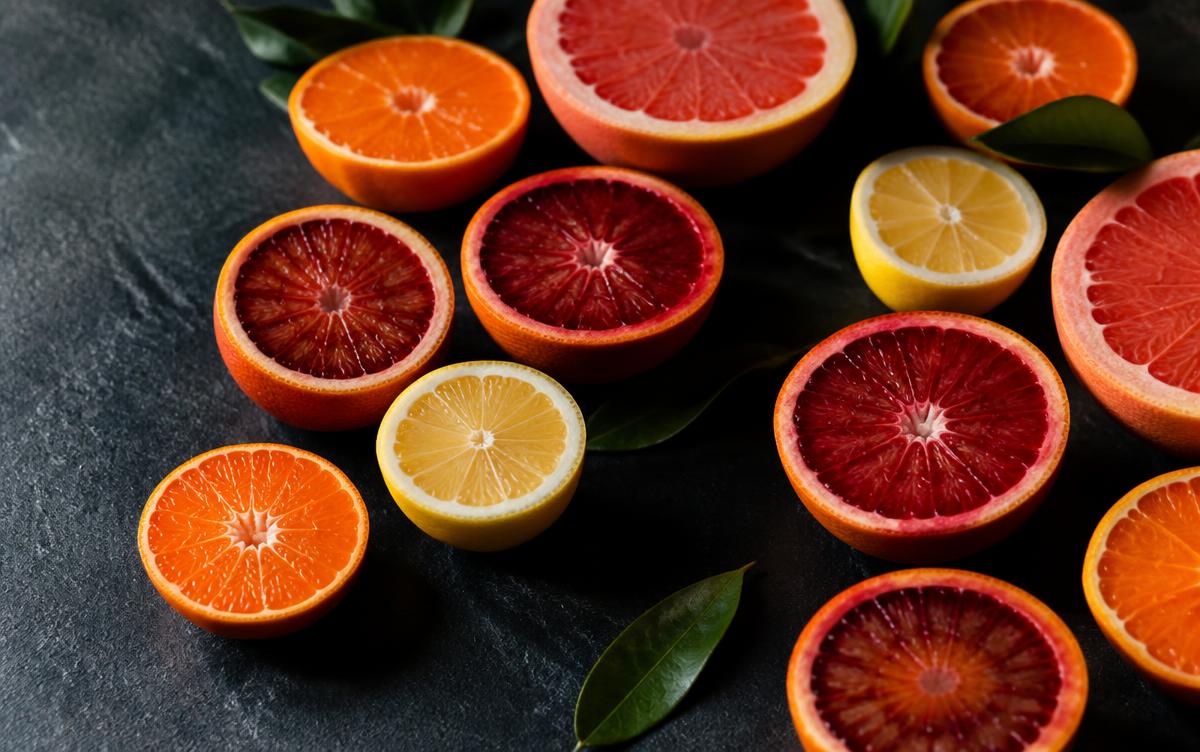
- Blood oranges: crimson-fleshed, with raspberry-like notes. Wonderful in salads and desserts; the color comes from anthocyanins, the same pigments found in berries.
- Cara Cara: a pink-fleshed navel type, sweeter and less acidic, with hints of cherry and rose.
How to choose a good orange
Judge by weight, not color. A good orange feels heavy for its size — that weight is juice. The skin should be firm and smooth rather than puffy or loose, which signals dryness inside. Color is a poor guide: perfectly ripe oranges can carry green patches, especially in warm climates, and some are artificially colored.
Smell the stem end: a ripe orange has a faint, sweet fragrance. Avoid fruit with soft spots, mold at the stem, or a light, hollow feel.
Juicing: getting the most out of each fruit
A few small habits noticeably increase your yield. Bring oranges to room temperature before juicing — cold fruit gives less juice. Roll each orange firmly on the counter under your palm to break down the internal membranes. Cut across the equator, not through the stem, and use a reamer or press rather than squeezing by hand.
Expect roughly 60–90 ml of juice per medium orange, so a generous glass takes three to four fruit. Juice tastes best within minutes of squeezing; after a day in the fridge it loses brightness, and navel juice develops real bitterness within hours.
Whole fruit versus juice
Juice is delicious, but it is worth being honest about the trade-offs. A whole orange gives you all the fiber — around 3 g — which slows sugar absorption and fills you up. Juice removes most of the fiber, concentrates the sugar of several fruits into one glass, and is easy to drink faster than you could ever eat the equivalent fruit.
The practical approach: treat juice as an occasional pleasure in small glasses, and make whole oranges your default. If you do juice, keep the pulp in and skip added sugar entirely — a ripe orange needs nothing.
Using the whole fruit
The zest — the colored outer layer of the peel — is packed with aromatic oils and is one of the most valuable flavoring ingredients in the kitchen. Grate it before juicing and add it to cakes, salad dressings, marinades and roasted vegetables. Avoid the white pith beneath, which is bitter. Strips of peel can be candied, dried for tea, or simmered with sugar into a quick syrup for desserts and drinks.
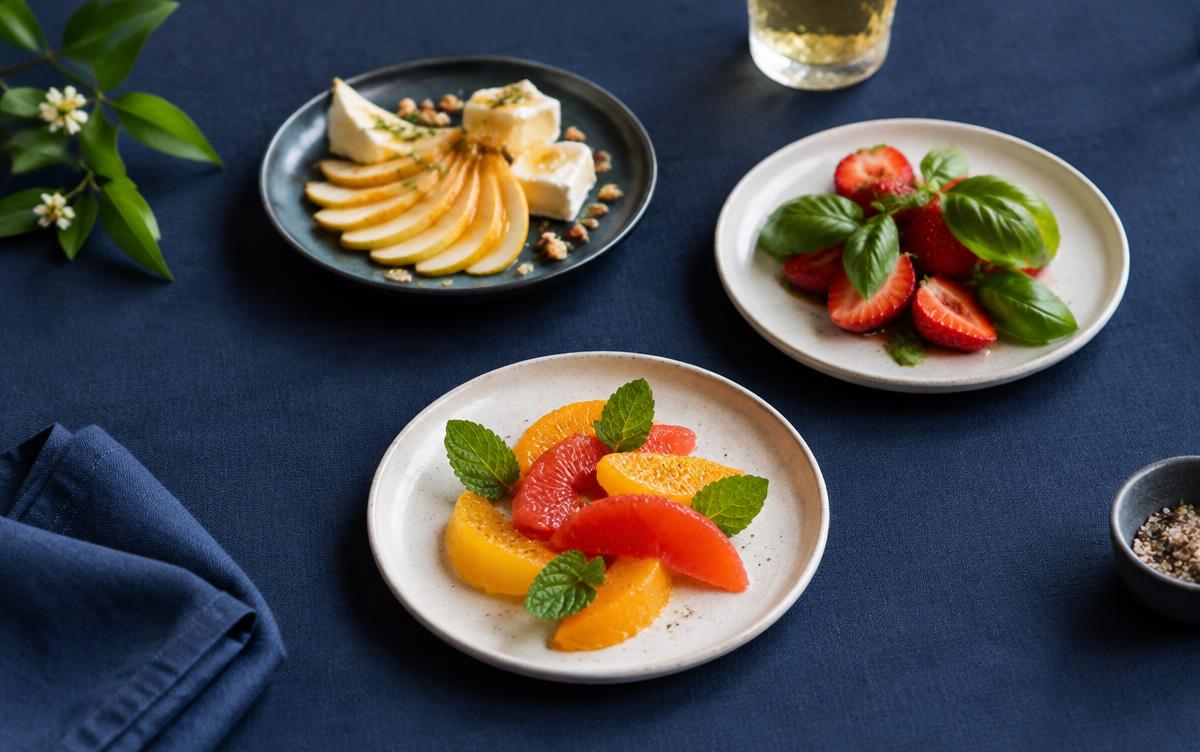
Even the segments' membranes, tedious as they are, disappear entirely if you supreme the fruit — cutting the segments free with a sharp knife — which leaves you with clean, jewel-like pieces for salads and desserts.
Nutrition in brief
One medium orange provides around 70 mg of vitamin C — close to a full day's requirement — plus folate, potassium, about 3 g of fiber and a range of flavonoids. Despite the famous association, vitamin C does not prevent colds for most people, though regular intake may slightly shorten them. The orange's real virtue is being a hydrating, fiber-rich, genuinely satisfying sweet food.
Frequently asked questions
Should oranges be refrigerated?
They keep a week at room temperature but up to a month in the fridge. Bring them back to room temperature before eating or juicing for the best flavor and yield.
Why is my orange dry inside?
Dryness usually means the fruit is old or was stored too warm. Heavy fruit with tight skin is the best insurance at the shop.
Is orange juice as healthy as an orange?
No. Juice keeps the vitamin C but loses most of the fiber and concentrates the sugar. Whole fruit is the better everyday choice.
Can you eat orange peel?
Yes, in small amounts — zest is widely used in cooking. Wash the fruit first, and prefer unwaxed or organic oranges if you plan to use the peel.
This article is for general information only and isn't a substitute for professional medical advice. See our disclaimer.