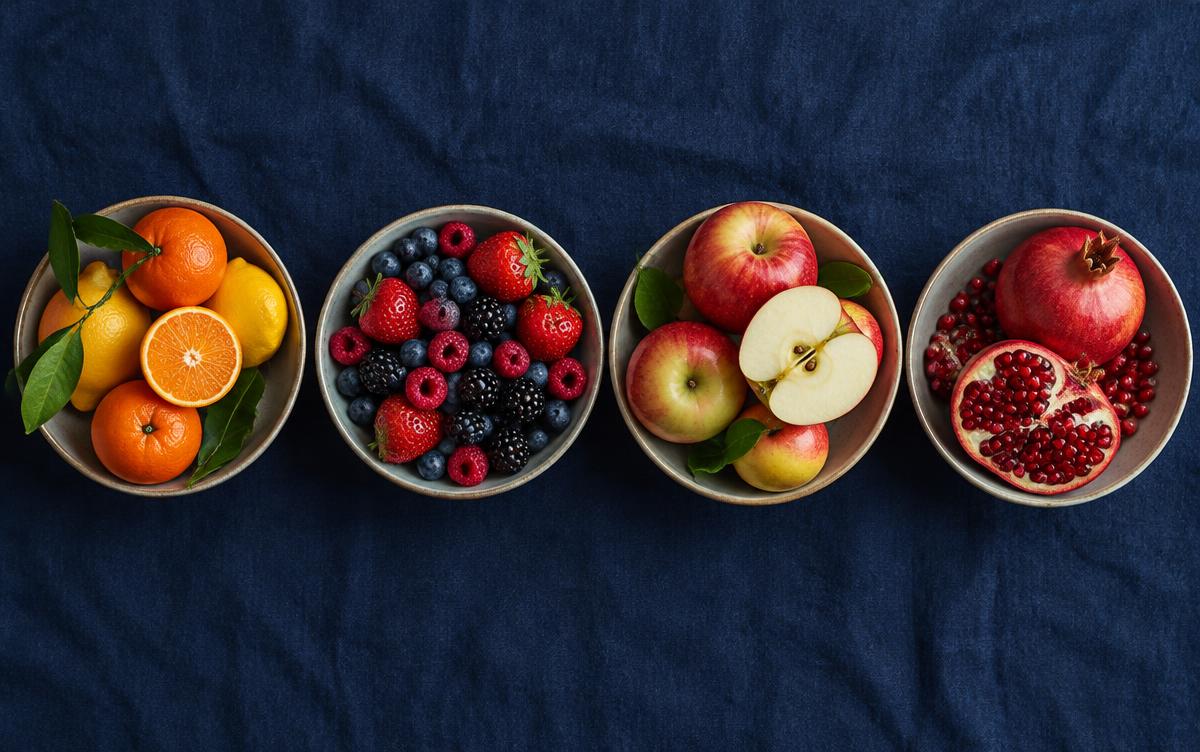
Seasonal Guides
The Seasonal Fruit Calendar: What to Eat Each Month
A month-by-month guide to fruit at its peak in the Northern Hemisphere, with tips for buying in season.
Claire Moreau · August 28, 2026 · 9 min read
Seasonal Guides
How to pick, ripen and enjoy summer stone fruit, plus the differences between clingstone and freestone.
By Claire Moreau, Registered Dietitian & Senior Food Researcher · Updated July 15, 2026 · 6 min read · Fact-checked
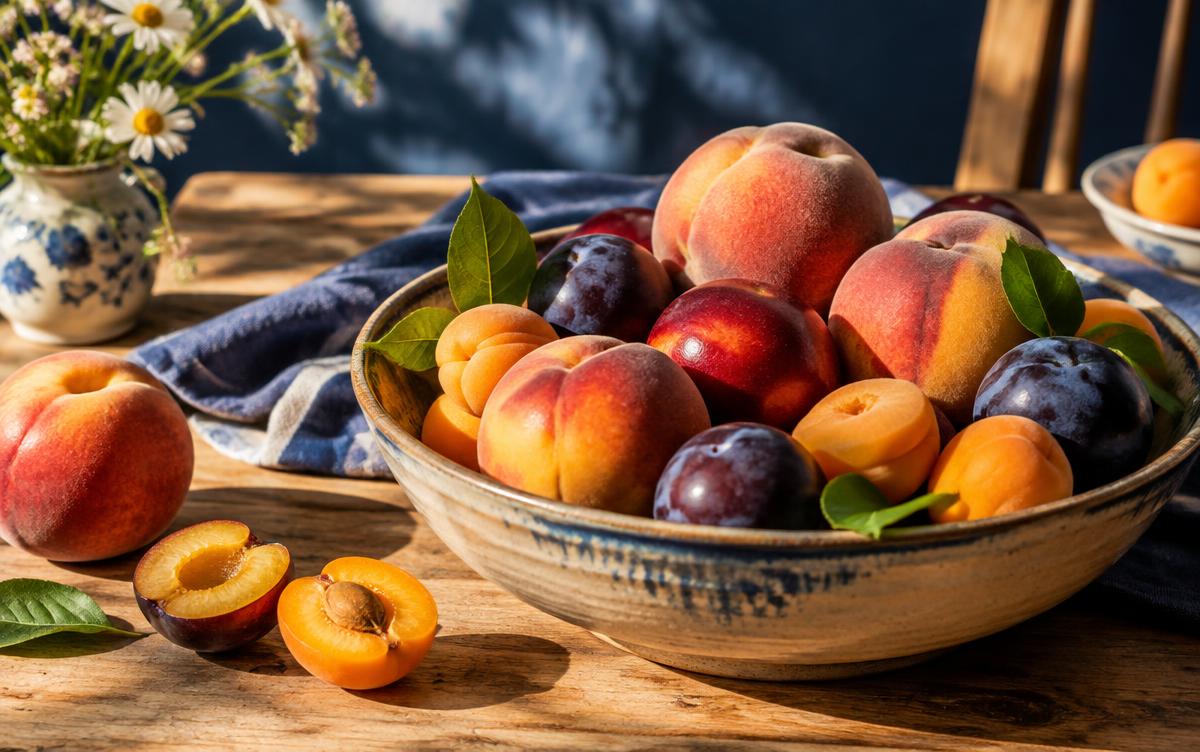
Stone fruits — named for the hard pit at their center — define summer for many fruit lovers. A little know-how makes the difference between a mealy peach and a perfect one.
Peaches, nectarines, plums, apricots and cherries are all members of the Prunus genus. Mangoes, olives and lychees are sometimes grouped with them, though they are botanically unrelated.
In clingstone varieties, the flesh clings tightly to the pit — common in early-season peaches. Freestone varieties release the pit easily and are preferred for slicing and baking. Many markets label which is which.
Pick fruit that smells fragrant at the stem end and yields slightly to gentle pressure. Firm peaches, plums and apricots will soften at room temperature in a paper bag within one to three days. Cherries do not ripen after picking, so buy them ready to eat.
Grill halved peaches for a smoky dessert, roast plums with a little honey, or simply eat apricots at room temperature, when their aroma is strongest.
Mealiness often comes from chilling unripe peaches. Ripen them at room temperature first, then refrigerate.
Yes — the skin is thin, edible and contains fiber.
This article is for general information only and isn't a substitute for professional medical advice. See our disclaimer.
Seasonal Guides
A month-by-month guide to fruit at its peak in the Northern Hemisphere, with tips for buying in season.
Claire Moreau · August 28, 2026 · 9 min read
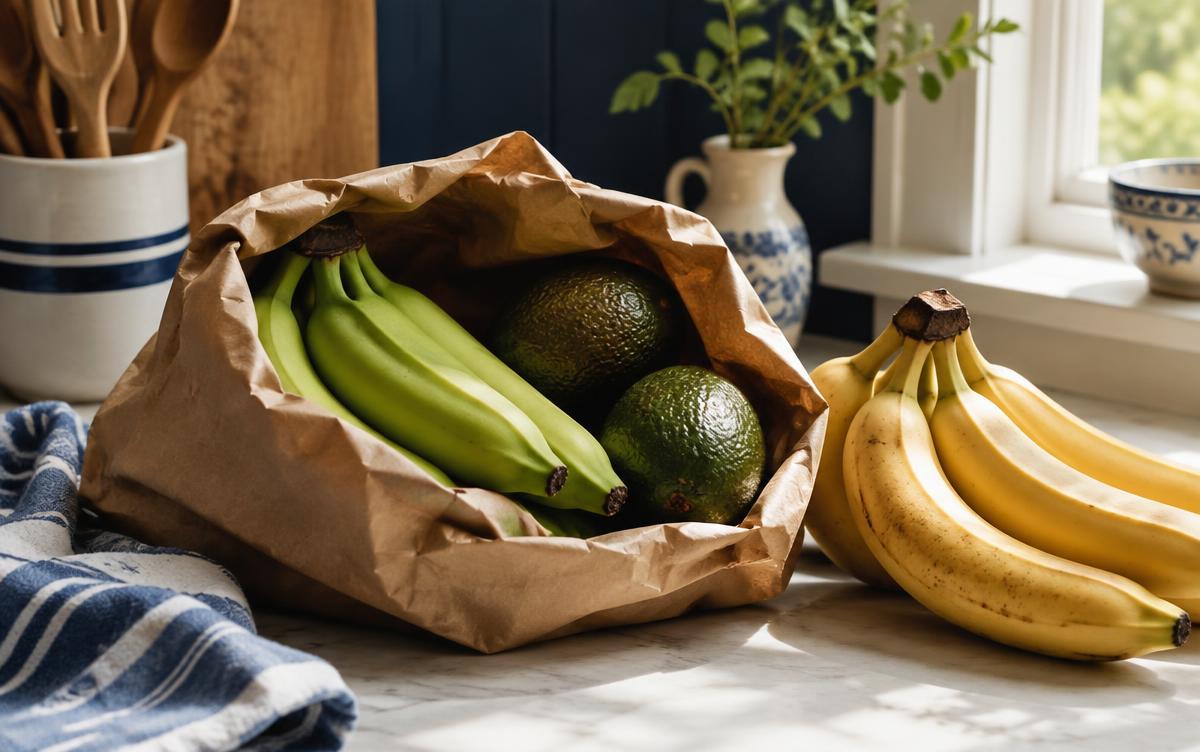
Storage & Ripening
Use the paper bag method, ethylene and temperature to control how quickly fruit ripens.
Claire Moreau · August 10, 2026 · 5 min read