Fruit in the Kitchen
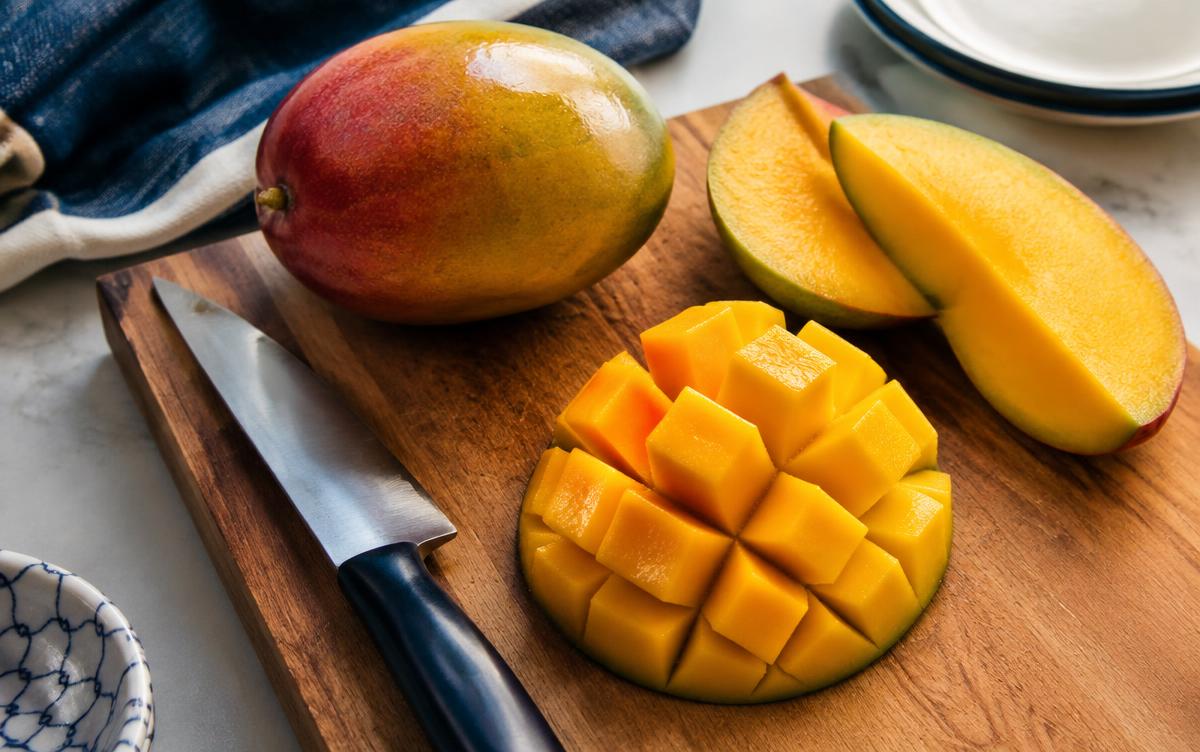
How to Cut a Mango: Three Easy Methods
Step-by-step methods to cut, cube and slice mango cleanly with minimal waste.
Claire Moreau · August 22, 2026 · 5 min read
Fruit in the Kitchen
How to tell a ripe pineapple, what bromelain actually does, why pineapple tingles your mouth, and a simple step-by-step cutting method.
By Claire Moreau, Registered Dietitian & Senior Food Researcher · Updated October 10, 2026 · 8 min read · Fact-checked
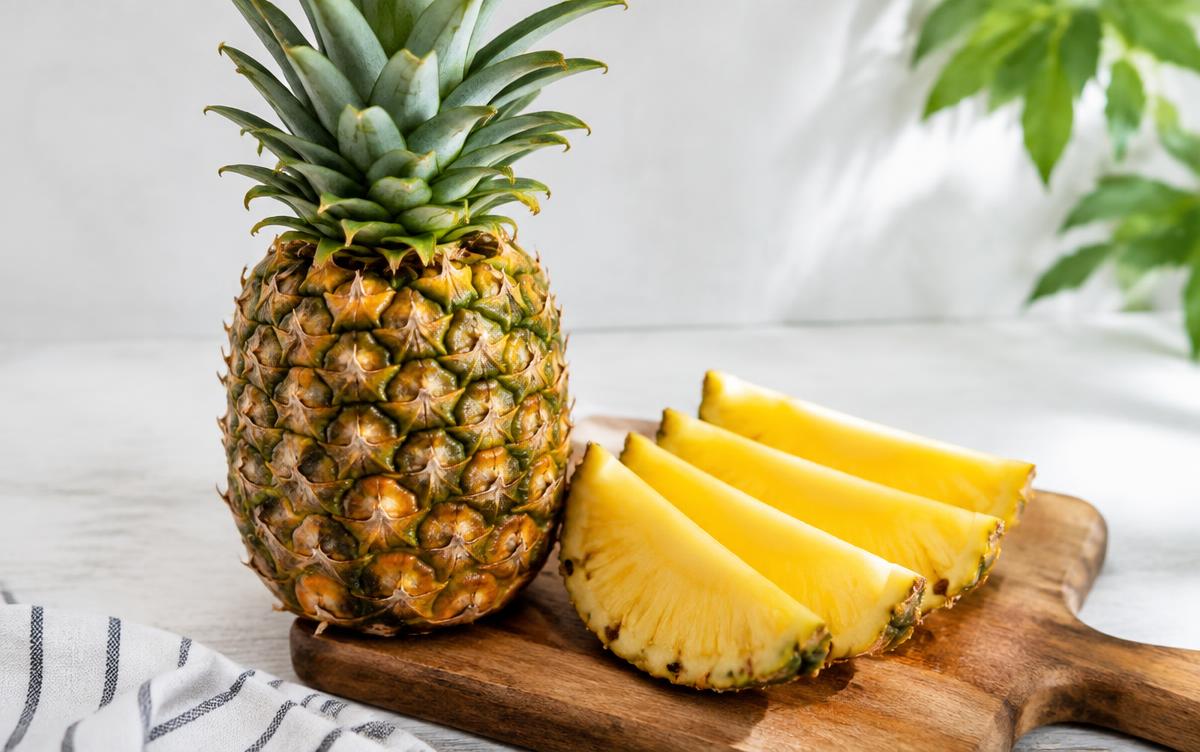
A whole pineapple can look intimidating: spiky, heavy and hard to judge from the outside. Yet once you know a few signs of ripeness and a reliable cutting method, it becomes one of the most rewarding fruits to buy whole. Fresh pineapple tastes far brighter than canned, and it contains an unusual enzyme that affects how it behaves in the kitchen.
A cup of fresh pineapple chunks, about 165 grams, has roughly 80 calories, 2 grams of fiber and 16 grams of natural sugar. It is an excellent source of vitamin C, covering most of an adult's daily needs, and one of the richest fruit sources of manganese, a mineral involved in bone health and metabolism.
Pineapple contains bromelain, a group of enzymes that break down protein. This is why fresh pineapple can make your tongue tingle or feel sore if you eat a lot: the enzyme is gently working on the proteins in your mouth. The effect is harmless and fades quickly.
Bromelain is also the reason fresh pineapple stops gelatin desserts from setting and turns meat marinades mushy if left too long. Cooking or canning destroys the enzyme, so canned pineapple does not have these effects.
Bromelain supplements have been studied for inflammation and recovery after surgery, with mixed results. The amount you get from eating pineapple is much smaller than supplement doses, so it is best enjoyed as food rather than as a remedy.
Pineapples do not get sweeter after harvest, though they may soften and turn more golden. Choose one that shows these signs:
You need only a sharp chef's knife and a stable cutting board:
A whole pineapple can sit at room temperature for a day or two, but it will not improve much in sweetness. Once cut, store pieces in an airtight container in the fridge and eat within four to five days. Pineapple also freezes very well: freeze chunks on a tray, then bag them for smoothies and sorbets.
Beyond eating it fresh, pineapple is excellent grilled, which caramelizes its sugars and softens its acidity. It pairs well with chili and lime in salsas, with coconut in desserts, and with pork or chicken in quick stir-fries. If using it in a marinade, keep marinating time under an hour to avoid the enzyme over-softening the meat.
The enzyme bromelain breaks down proteins on your tongue and cheeks. It is harmless and fades within minutes.
Not reliably. Smell, weight and color are much better indicators.
Not raw. Bromelain prevents gelatin from setting. Cook the pineapple first or use canned.
Yes, it is safe but tough and fibrous. Many people blend it into smoothies rather than discarding it.
This article is for general information only and isn't a substitute for professional medical advice. See our disclaimer.
Fruit in the Kitchen
Step-by-step methods to cut, cube and slice mango cleanly with minimal waste.
Claire Moreau · August 22, 2026 · 5 min read
Fruit in the Kitchen
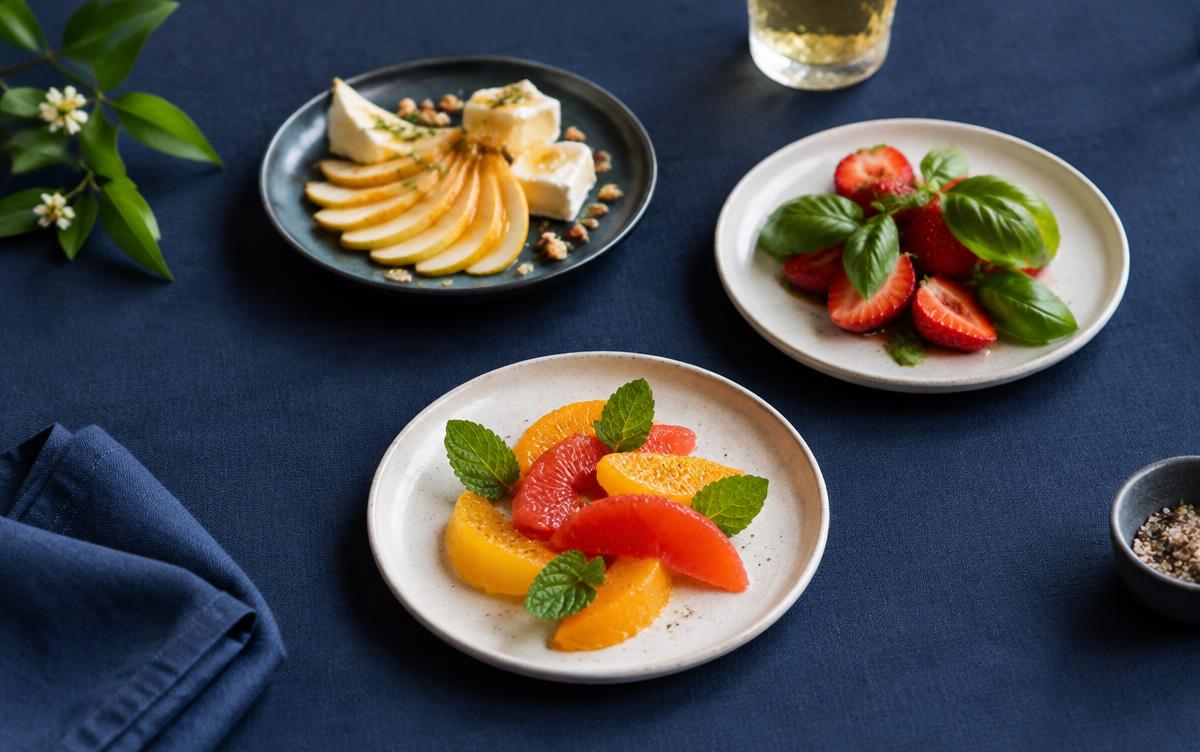
Classic and surprising fruit pairings with herbs, spices, cheese and more for everyday cooking.
Claire Moreau · July 30, 2026 · 6 min read