Fruit Nutrition
Fruit Sugar Explained: Should You Worry About Fructose?
A clear look at natural sugars in fruit, how fiber changes their effect, and which fruits are lower in sugar.
Claire Moreau · September 2, 2026 · 7 min read
Fruit Nutrition
What a banana actually gives you — potassium, fiber, vitamin B6 — plus how ripeness changes its sugar, and smart ways to use every stage from green to spotted.
By Claire Moreau, Registered Dietitian & Senior Food Researcher · Updated October 9, 2026 · 8 min read · Fact-checked
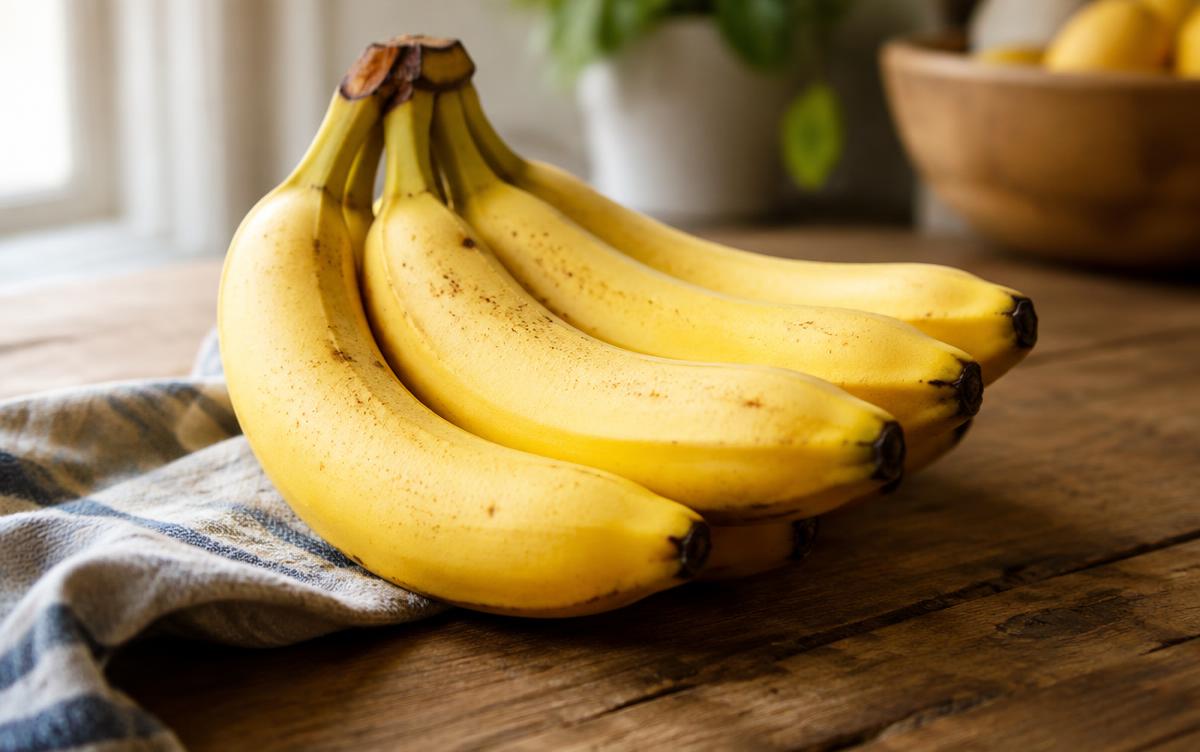
The banana is the world's most eaten fruit, and one of the most misunderstood. It is accused of being too sugary, praised as the perfect sports snack, and thrown away by the tonne the moment its skin freckles. The truth is simpler: a banana is a convenient, filling, nutrient-dense food whose character changes dramatically as it ripens. Understanding those stages helps you get the most out of every bunch.
A medium banana (about 118 g) provides roughly 105 calories, 27 g of carbohydrate, 3 g of fiber and very little fat or protein. Its standout nutrients are vitamin B6 — around a quarter of your daily needs — potassium at about 420 mg, and useful amounts of vitamin C, magnesium and manganese.
Potassium supports normal blood pressure and muscle function, which is why bananas have a long association with exercise. Vitamin B6 plays a role in energy metabolism and the nervous system. None of this makes the banana a miracle food, but for something that comes in its own packaging and costs very little, it earns its reputation as a solid everyday choice.
A banana's starch converts to sugar as it ripens, which changes both its taste and how your body handles it:
Because ripe bananas taste sweet, people often assume they are bad for blood sugar. In practice, a whole banana has a moderate glycemic impact — lower than white bread — because its fiber and remaining starch slow absorption. Greener bananas have a lower glycemic effect than very ripe ones.
For most people, including those watching their weight, a banana is a far better snack than biscuits or sweets. People with diabetes can usually include bananas in sensible portions, paired with protein or fat — for example with peanut butter or yogurt — to blunt the glucose rise. As always, individual advice from a dietitian beats general rules.
Bananas are one of the most practical sports foods available. They deliver quickly usable carbohydrate, replace some of the potassium lost in sweat, sit comfortably in the stomach, and need no preparation. Studies comparing bananas with commercial sports drinks during endurance exercise have found them broadly comparable for performance, with the bonus of fiber and micronutrients.
Eat one 30–60 minutes before a workout for accessible energy, or afterwards alongside a protein source to support recovery.
Bananas release ethylene gas, which ripens them — and everything near them — quickly. Keep them away from other fruit unless you want to speed ripening. Hanging the bunch or wrapping the stem ends in foil slows the process modestly. Never refrigerate unripe bananas; the cold damages the skin and stops proper ripening. Ripe bananas, however, can go in the fridge: the skin blackens but the flesh stays good for several days.
Overripe bananas freeze beautifully. Peel them first, freeze in chunks on a tray, then bag them. Frozen banana blended alone makes a convincing one-ingredient ice cream, and frozen chunks are the backbone of a thick smoothie.
Yes. For most healthy people, a banana a day fits easily into a balanced diet and contributes fiber, potassium and vitamin B6.
No. Brown spots just mean the starch has converted to sugar. They are sweeter and softer, not spoiled — unless they smell fermented or show mold.
Bananas provide potassium and magnesium, which support normal muscle function, but evidence that they prevent exercise cramps is weak. Hydration and conditioning matter more.
Yes, though they are starchy and bland raw. Cooked green bananas are a staple in many cuisines and are rich in resistant starch.
This article is for general information only and isn't a substitute for professional medical advice. See our disclaimer.
Fruit Nutrition
A clear look at natural sugars in fruit, how fiber changes their effect, and which fruits are lower in sugar.
Claire Moreau · September 2, 2026 · 7 min read

Storage & Ripening
Which fruits belong in the fridge, which on the counter, and how to keep produce fresh for longer.
Claire Moreau · September 20, 2026 · 9 min read